
We put the Sahara Sands Casino app and its instant‑play mobile site through a thorough head‑to‑head https://saharasandcasino.com/. Gaming on the move should never feel like a compromise, so we zeroed in on what really counts: how fast a game launches, whether the controls rest comfortably under your thumb, and if the platform endures during long sessions. Our assessment covers installation, navigation, storage footprint, and real‑world responsiveness on a mix of Android and iOS devices and network conditions, from 4G to crowded Wi‑Fi. You’ll discover exactly where the native app stands out and where the browser portal holds its own, with no vague promises.
The first Configuration and Setup Variations
Downloading the Sahara Sands Casino app operating takes below two minutes. Navigate to the official site, read a QR code or click the download link, and then confirm the prompts to enable installation from beyond your standard app store. The initial package sits around 45 megabytes and expands only a little after login. The installer requests storage access for game caching and push notification permissions—both of which you can reject without breaking core functions. This lean approach appeals to privacy‑conscious players who desire a quick, one‑time setup.
The mobile site needs no installation at all. Input the casino address and the adaptive interface shows in about four seconds on steady 4G, with faster repeat loads thanks to browser caching. No app store sign‑up, no device administrator approval, and no update downloads. The app adds a home‑screen icon for one‑tap access, while the mobile site can be saved but still runs inside the browser shell. On all Android and iOS devices we tried, the app installed without a hitch when we followed the casino’s visual guide; the browser route bypasses that step entirely but requires a couple of extra taps each session.
From a storage viewpoint, the app uses roughly 110 MB after loading thumbnail assets, whereas the mobile site requires negligible permanent space beyond cached images. Users with older devices or limited memory will like the browser option, which automatically purges older cache data. The app also needs a brief monthly update, something the mobile site manages quietly in the background. This difference becomes important if you prefer a maintenance‑free experience without periodic update prompts.
5. Account Safety and User Safety
The app and mobile site both operate under identical SSL/TLS security and are certified by the same regulatory body. Payment information and personal details remain encrypted throughout. This application offers biometric authentication, using fingerprint or face recognition, enabling you to access your funds in less than a second without typing a password. This physical security layer is not natively accessible through a browser unless your device supports browser‑based biometrics, which remains inconsistent among device makers.
The mobile site offsets this with session expiry and the ability to erase all data by closing the tab and clearing the cache, ideal for public devices. This application saves an encrypted session key, maintaining your login until you sign out manually, which works best for personal phones but demands a lock‑screen PIN. Two‑step verification operates similarly, and the app handles OTP prompts without leaving the native environment, minimizing phishing threats. Responsible gaming tools—deposit limits, reality checks, and self‑exclusion—are fully accessible from either interface.
6. Payment Options and Transaction Flow
We examined deposits & withdrawals with electronic wallets, debit cards, and wire transfers on both versions. The cashier in the app includes biometric authentication, allowing a saved payment method to fund your wallet in about 15 seconds. The mobile version depends on browser autofill, which functioned dependably on Chrome and Safari but sometimes required an additional tap on older Android keyboards. There are no variations in fees or minimum limits; the same deposit thresholds are in effect across all platforms.
Withdrawal processing times are equivalent because every request are handled server‑side. The app’s push notifications give you an alert the moment a withdrawal is authorized, saving you from checking the transaction history. Email notifications from the mobile site can be late or land in spam. We also bought bonus packs on both platforms: the native checkout in the app holds everything in a unified column, cutting down on input errors, while the mobile website’s responsive pop‑up occasionally needed landscape mode to display full card fields. The unified wallet refreshes your wallet in real-time across every platform.
3. Game Variety and Library Availability
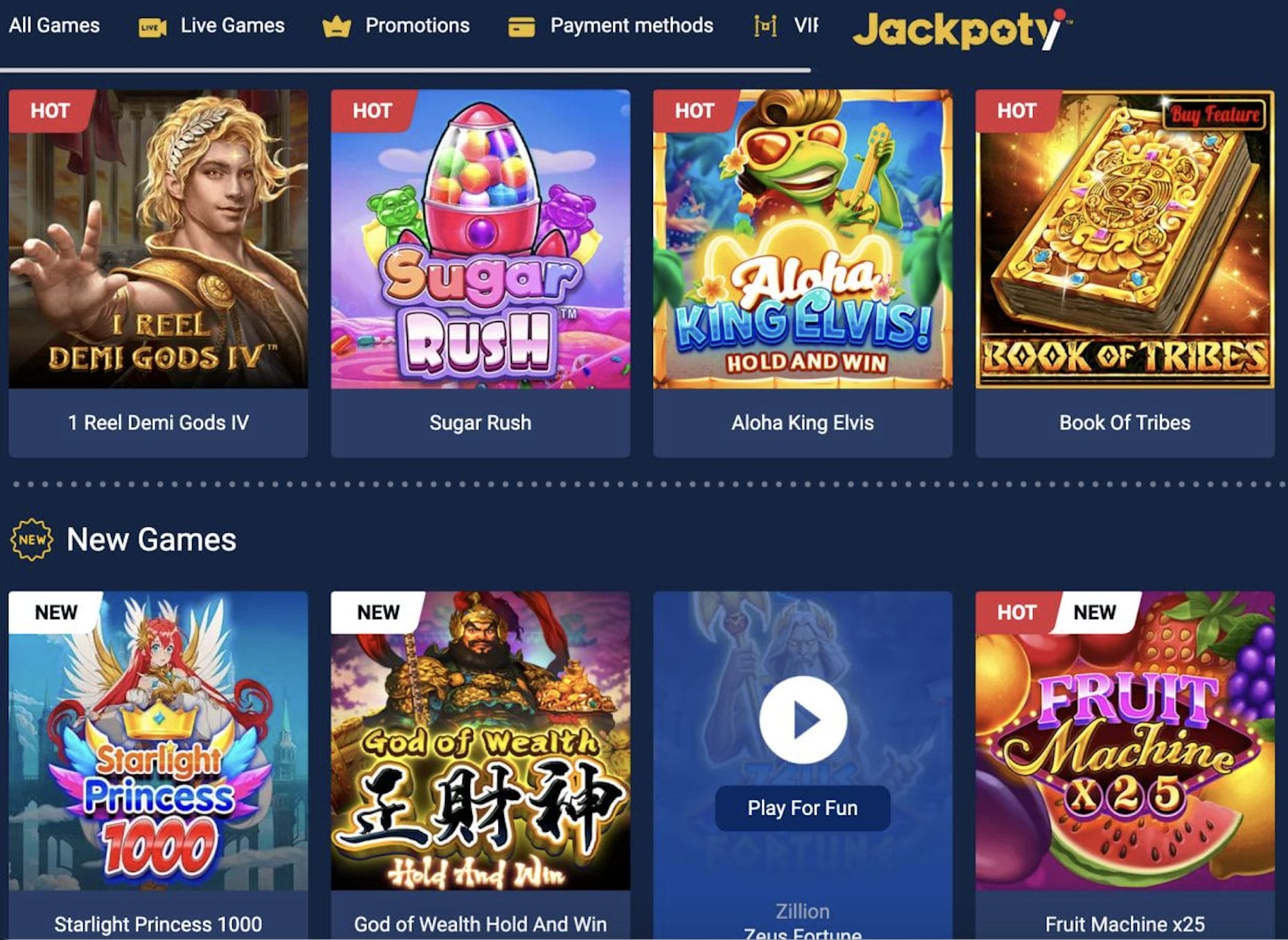
The main slots, table games, and live casino titles are virtually alike across both channels. You get access to over seven hundred games from leading providers, and we discovered zero omissions among new releases, seasonal jackpots, and exclusive in‑house titles. Filtering tools, a text search bar, and a favourites star synchronize across your account, so you’ll never be locked out of a slot because you chose the browser. For spontaneous players, that parity is a significant advantage.
The app often receives new game icons and banners via background refresh within minutes of release, while the mobile site can delay fresh artwork by a few hours as cached data clears. This doesn’t affect playability; a newly added Megaways slot accepted bets and paid out identically on both platforms. Live dealer streaming quality, chat, audio, and multiple camera angles work just as well. The mobile site handles portrait‑to‑landscape switches more fluidly without restarting the stream, but the app’s fixed interface avoids accidental reflows during play.
Number 4 Promotional Rewards and Deals Presentation
The introductory offer, reload bonuses, and cashback offers are identical whichever way you join. Sahara Sands Casino runs a combined account balance and wagering contribution system, so no platform‑specific restrictions apply. The mobile version is especially useful for checking detailed terms, as the larger screen area and pinch‑to‑zoom enable you to inspect minimum betting odds and restricted games without having to scroll through condensed text.
The mobile app adds a special notifications inbox that collects tailored offers tied to your playing activity. It can surface urgent deals on your lock screen if you grant push permission. During our test we obtained a three‑hour fifty‑free‑spins drop we might have missed on the mobile site. Bonus triggering remains seamless on both versions: selecting a deposit match, funding the account, and obtaining bonus credits uses the same process. The app’s built-in state retention prevents errors in the process, while the mobile site leans on cookies but still maintains your selection consistently.
2. Performance and Speed Comparison
We loaded five well-known slots and three live dealer tables on each platform while tracking frame rates and lag. The app delivered a clear edge in graphic smoothness, notably on titles with particle effects and 3D transitions. Because the core engine is compiled, animations kept at sixty frames per second on mid‑range handsets, and moving between the lobby, cashier, and live tables felt instantaneous. We observed no crashes during two‑hour sessions across four devices. If you value perfectly fluid visuals, the app sets a high bar.
The mobile site works within browser limits, with page‑to‑game load times averaging two to three seconds and heavyweight slots periodically needing an extra second. Once running, titles never lagged thanks to efficient HTML5 delivery. On crowded Wi‑Fi, the app handled packet loss better during live streams, while the mobile site occasionally dropped video resolution to keep the stream alive. We calculated battery drain at about eight per cent per hour for the app and ten per cent for the browser, a gap resulting from by the browser engine’s overhead.
- Native app: 60 fps on mid‑range devices, lobby transitions under one second, no crashes in extended play, 8% battery drain per hour.
- Web version: 2–3‑second load times, steady frame rate after initial load, occasional resolution fallback on weak networks, 10% battery drain per hour.
7. Real-Time Alerts and Live Alerts
The app sends real‑time alerts for tournaments, customized reload offers, and live casino seat openings through a granular settings menu. We set it to receive only gameplay‑related updates and mute promotional sounds, and it honored these preferences exactly. A lock‑screen prompt such as “Blackjack table now open” demonstrates valuable during peak hours when seats fill quickly. The app also displays the current jackpot or tournament countdown via a home‑screen widget that the mobile site is unable to replicate.
The mobile site can send browser‑based notifications on Android Chrome and some desktop browsers, but iOS Safari doesn’t permit web push. Even where supported, permission prompts are easy to dismiss, and delivery reliability drops when the browser tab is closed. The app’s notification pipeline stays active after a device restart, and a “Do Not Disturb” timer mutes alerts during chosen hours, a considerate touch for play‑life balance.
- Application: lock‑screen alerts, home‑screen jackpot widget, Do Not Disturb timer, always‑on delivery.
- Mobile web: SMS or email only on iOS, limited Chrome web push on Android, no widget, requires an open tab for reliability.
8. Enhancements, Servicing, and Extended Reliability
The app receives scheduled updates every four to six weeks, each around twenty to forty megabytes, offering optimised graphics, new game compatibility, and security patches. We never misplaced preferences or login data during an update, and responsible gambling limits stayed. Neglecting updates for too long can prompt compatibility warnings with new titles, so staying current is wise for uninterrupted access.
The mobile site is always up to date; any back‑end improvements or cashier tweaks appear the next time you reload. There’s no version to check and no risk of being locked out by an operating system upgrade. Over a seven‑day daily test, the app had no freeze‑ups or crashes. The mobile site faltered once on a complex live game interface, but a quick page refresh reinstated the seat without data loss. Both keep game history and settings server‑side, and the browser option erases any dependency on future app‑store listings, providing it a slight insurance edge.
9. Usability and Hardware Compatibility
The mobile site operates on essentially any phone or tablet with an current browser, ranging from four‑inch handsets to twelve‑inch tablets. It adjusts text with system font settings, preserves high‑contrast tiles clear at extreme magnification, and honors screen‑reader cues, rendering it the more inclusive choice for players who rely on assistive technologies. We even loaded the lobby on a smart TV browser and an older Kindle Fire; while we wouldn’t recommend them for heavy play, the basics functioned.
The app is designed for iOS 14+ and Android 8+ devices. It fills the display cleanly and offers dynamic orientation lock, but its fixed interface doesn’t fully conform system‑wide font and display scaling, which may disadvantage visually impaired users. Game interfaces offer basic accessibility controls for sound and speed, though lobby navigation is less flexible. For most players with a modern smartphone the app seems refined. If you switch between a work phone, tablet, and laptop, the browser route ensures a consistent experience without any installation. Both accommodate touch and stylus input, and your balance updates instantly across all access points.